

How to Shock Your Pool With Granular or Liquid Chlorine
What Is Shocking a Pool, and Why Should You Do It?
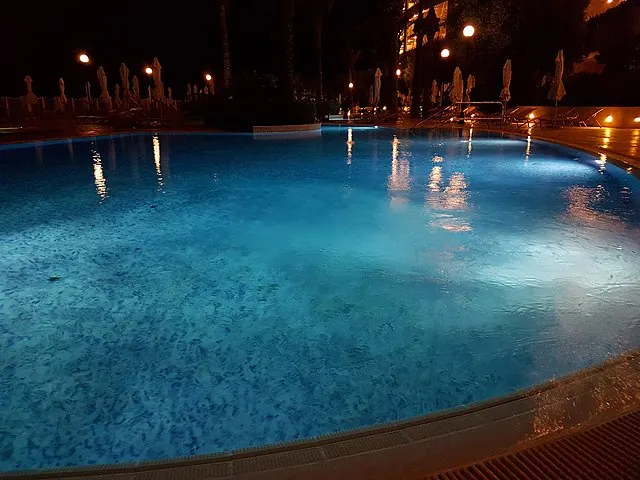
Shocking a pool, also known as pool chlorination, is adding chlorine to swimming pool water to sanitize it—getting rid of chloramine (cloudy water), contaminants, and ammonia, and preventing algae, bacteria, and other living organisms from thriving in your pool.
Beatbot AquaSense 2 Ultra
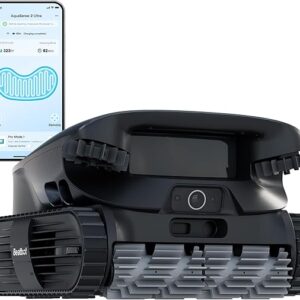
The AquaSense 2 Ultra is a powerful AI-Powered 5-in-1 cordless robotic pool cleaner, designed for in-ground and above-ground pools up to 3,875 sq.ft. It tackles every part of your pool with smart precision:
- ✅ Skims floating debris from the surface
- ✅ Scrubs tough waterline buildup
- ✅ Climbs and cleans walls
- ✅ Vacuums floor dirt and sand
- ✅ Clarifies and enhances water clarity
Chlorinating a swimming pool is a necessary part of pool maintenance.
Every pool owner should understand how to do it, how frequently, what amount of chlorine to add, and which chlorine shock to use in a pool.
Moreover, the cornerstone of keeping free chlorine active is keeping it in proper balance with cyanuric acid.
The higher the cyanuric acid level in your water, the less effective your free chlorine will be, and the more chlorine you will use in your pool.
Check Trouble Free Pool’s Chlorine/CYA Chart to know the correct amount of chlorine to add at a given level of cyanuric acid.
By regularly adding chlorine shock to your water, you avoid the hassle of SLAMing your pool to clear algae and ammonia.
To have a trouble-free pool throughout the summer, I always recommend the use of non-stabilized chlorine known as sodium hypochlorite (liquid chlorine) with a 12.5% chlorine concentration for pool sanitization.
You can also use sodium hypochlorite with a 10% chlorine concentration, but not a regular household bleach that comes with a low chlorine concentration of 8% and below.
Which Is the Best Chlorine Shock? Sodium Hypochlorite vs. Calcium Hypochlorite
There are two common types of chlorine shocks—sodium hypochlorite (liquid chlorine) and calcium hypochlorite (dry chlorine)—and each is used for a different purpose. Apart from these two, there are also other types of special pool shocks including:
- potassium peroxymonosulphate
- lithium hypochlorite
- dichloroisocyanuric acid
However, all these special shocks, including calcium hypochlorite, are not recommended for regular pool sanitization. This is because their continued use introduces other compounds in your pool water, including calcium, pH, and cyanuric acid, leading to increased levels of these chemicals in your water.
This article is mainly about two common shocks: sodium hypochlorite for daily chlorination and calcium hypochlorite for fighting algae during algae breakout.
The type of pool shock to use in your pool will depend on what you need to achieve, which may include clearing cloudy water, killing germs/bacteria, or fighting pool algae.
1. Sodium Hypochlorite (Liquid Chlorine)
Sodium hypochlorite is liquid chlorine and comes with sodium hypochlorite as the main ingredient. There are two liquid chlorines that I use and recommend for you.
HASA Sani-Clor Sodium Hypochlorite
One of the best liquid chlorines in the market today is HASA Sani-clor Sodium Hypochlorite. It is the chlorine I recommend for pool chlorination and should do 99% of your pool water’s daily sanitization needs, which are clearing, preventing cloudy water, and killing bacteria in your pool water.
This product is in high demand, however, and you might find it unavailable on Amazon. If you live in the US, you can still find liquid chlorine from HASA dealers across several states, including Texas, Arizona, California, and Washington.
Sodium hypochlorite liquid chlorine by HASA is 12.5% chlorine, calcium, and cyanuric acid-free. It is recommended when you are fighting high calcium hardness and cyanuric acid levels in your fill water or inside your pool.
Pool Essentials Chlorinating and Kem-Tek Chlorinating Liquid
The second option—if you can’t find HASA liquid chlorine or any better brand—is Kem-Tek Chlorinating Liquid, which is 10% chlorine and you can get it on Amazon.
Kem-Tek liquid chlorine is effective, works faster—as it mixes quickly with water—and is also free of calcium and cyanuric acid.
Using Sodium Hypochlorite in Your Pool
Sodium hypochlorite liquid chlorine is the best option to use in a saltwater pool system, especially when you need to boost low chlorine levels in your water. Use it in the treatment of water in swimming pools, spas, and hot tubs. When introduced into a swimming pool or hot tub, it is immediately available to destroy algae, bacteria, viruses, and other microorganisms due to its fast action.
To use Sodium Hypochlorite liquid chlorine effectively, measure the right amount for your pool and pour it evenly around. (See the “How to Shock a Swimming Pool” section below to know the exact amount of liquid chlorine you need for your pool.)
Note that not all liquid chlorines come with sodium hypochlorite as the main ingredient, as some are made of calcium hypochlorite. You should take a keen interest to know the ingredients any liquid chlorine is made of.
For instance, Chlorox and In The Swim liquid chlorine are made of high percentage calcium hypochlorite, and you should not use them for regular chlorination, as this will raise calcium hardness, but can only be used when fighting green, black, and yellow algae in your pool.
2. Calcium Hypochlorite (Granular Chlorine)
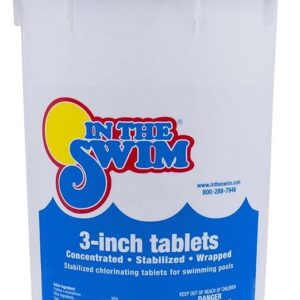
Calcium hypochlorite is the cheapest and most popular type of pool shock available on the market. They are always labeled as Ultra or Super Shock and In The Swim Calcium Hypochlorite is my preferred option due to its fast action. It’s also one of the strongest shock treatments, coming with 68% calcium hypochlorite and is recommended for use in your pool only to kill algae when there is a breakout—and not for regular or daily chlorination of your pool to maintain free chlorine levels.
The high calcium hypochlorite content also means it will burn off quickly if used when the sun is still out, which is why it should be added in the evening when the sun is gone.
Most calcium hypochlorite products have high pH levels of about 11.7. Therefore, they are not recommended for daily sanitization, especially when fighting high-pH issues in your swimming pool. It is not good for daily use for those who have hard-fill water or high calcium hardness in their pools, as this will raise calcium hardness beyond the recommended levels for a standard swimming pool.
It needs to be pre-dissolved before it is used since it is in powder form. After treatment, you need to wait for eight hours before swimming but check the manufacturer’s instructions on the package to be safe.
What Amount of Chlorine Shock Do I Add to My Pool?
Liquid chlorine or sodium hypochlorite is always around 12.5% chlorine. Regular bleach is less strong compared to sodium hypochlorite and is always around 8%—you will need to use a lot of it, as compared to sodium hypo.
For regular pool sanitization and clearing cloudy water, the right amount of liquid chlorine to add to your pool will depend on your pool size (in gallons) and the percentage of chlorine you are using. For instance, 10 fluid ounces of 12.5% HASA Sani-Clor or Chloro Guard will provide enough liquid chlorine to raise FC on 10,000 gallons of pool water by one ppm.
However, if you have severely cloudy pool water with the following signs—won’t clear easily after adding a lot of chlorine, high combined chlorine (CC) levels (chloramine), or very low free chlorine (FC) and cyanuric acid levels—you might be having ammonia in your pool, and you need extra work to clear stubborn cloudy pool water caused by ammonia.
For algae treatment, I always recommend using calcium hypochlorite, which is stronger and always comes with around 60% chlorine concentration. To kill algae, you need to triple-shock your swimming pool using calcium hypo. For instance, for sanitizing a pool using cal hypo (not recommended), one pound of In The Swim cal hypo should work for a 10,000-gallon pool. As such, since you need to triple shock the pool in case of algae breakout, you will need three pounds of calcium hypochlorite chlorine shock to kill green, black, and yellow algae in a 10,000-gallon pool.
One bag of In The Swim cal hypo is always one pound, therefore, you need three bags to triple shock a 10,000-gallon swimming pool and get rid of algae.
The Right Amount of Chlorine Shock to Use in Your Pool
*For liquid chlorine or sodium hypochlorite with 12.5% chlorine, add 10 ounces for a 10,000-gallon pool to raise free chlorine (FC) by one ppm.
*For calcium hypochlorite or powder chlorine, one pound is ideal for every 10,000-gallon pool. In the case of algae, triple-shock the pool by adding three pounds for every 10,000 gallons. Only use sodium hypochlorite for pool sanitization and calcium hypochlorite for fighting pool algae.
How to Shock a Swimming Pool
- Find out the volume of your pool. This will give you an idea of how much shock you need. The general recommendation is to use one pound of cal hypo shock for every 10,000 gallons of pool water, and 10 ounces of sodium hypo with around 12.5% chlorine to sanitize your pool.
- Make sure the pool water is at its normal level.
- Make sure your pool’s pH is between 7.2–7.6 and its alkalinity is between 80–120 ppm.
- Prepare the treatment according to the instructions on the package. cal hypo will require that you dissolve it in water first, then add it to the pool. For sodium hypo, you can add it directly around your pool. If you need to dissolve the shock, fill a bucket with five gallons (19 liters) of warm water before adding.
- For cal hypo, slowly add it to the water while gently stirring. Always add shock to the water—not the other way around. This makes it easier to dissolve.
- Pour cal hypo evenly around your pool. If there is any undissolved shock left, add some pool water, mix gently, and pour it into the pool.
- Run the filtration pump for at least 24 hours to clear the contaminants from the pool. Shocking alone will only kill germs and algae; it won’t get rid of them.
- If your pool is still green or cloudy, check that all your chemical levels are adjusted correctly, scrub and remove any visible debris, and make sure your filtration system is working properly.
What Is Free Chlorine?
It is unbound chlorine that is “free” to sanitize.
How Long Do You Have to Wait to Swim After You Shock a Pool?
Before you can swim in the pool, wait for the amount of time recommended on the package—usually at least eight hours for chlorine-based shock treatments. You only have to wait as little as 15 minutes if you use non-chlorinated shock treatments.
To be safe, it’s best to measure the amount of free chlorine in your pool to make sure it is three ppm or slightly less before swimming. It is dangerous to swim in a pool with high chlorine concentrations. If necessary, you can use chlorine reduction reagents.
What Is the Best Time of Day to Shock a Swimming Pool?
Shock your pool late in the evening or at night, when the sun is down, to make sure free chlorine will stay in your water longer. Ultraviolet (UV) rays from direct sunlight greatly reduce free chlorine levels, so shocking during the day will not be very effective.
If you absolutely must do it during the daytime, use a chlorine stabilizer, such as cyanuric acid, to prolong the life of the chlorine.
How Often Should I Shock My Pool?
How often you should shock your pool depends on how often the pool is used and how much exposure your pool is getting to sunlight. For general maintenance and upkeep, every day to weekly shocking is ideal depending on the reading of free chlorine which should always be three ppm.
If you have lots of people swimming on a daily basis, you should test free chlorine and shock as required every single day and at least weekly when the pool is not very busy.
When to Shock a Pool
Besides regular chlorine upkeep, there are five other reasons why you should shock your pool to avoid cloudy water.
1. When Pool Water Temperature Rises
Bacteria and other organisms such as algae thrive in warm water. In addition, the amount of free chlorine decreases with rising temperatures.
Most pools are kept at a comfortable level of 86–88 °F. The temperature should be lowered to a range of 78–84 °F if there are a lot of swimmers or if the pool is used for athletic activities. You can use a pool thermometer to measure water temperature.
If the temperature rises above the recommended levels, you should shock your pool.
2. When the Free Chlorine Level Goes Below Three ppm
The quantity of free chlorine in the water should be three ppm, which is also what the total chlorine level should be around. The combined chlorine level should always be maintained below 0.5 ppm—or at 0.0 ppm, if possible.
- Free chlorine is the chlorine content that is unused, or “free” to do its job: cleaning and disinfecting your pool.
- Combined chlorine, or chloramine, is the result of the chlorine’s sanitizing action. Chloramine is formed from the combination of free chlorine and sweat, body oils, and urine, creating the infamous “pool smell” that people often attribute to chlorine. High levels of combined chlorine mean there is less free chlorine to kill bacteria, parasites, and algae.
- Total chlorine is the sum of the free chlorine and combined chlorine contents.
Most test strips available on the market only measure free chlorine, but you also need to know the values of total and/or combined chlorine (free and combined chlorine) before shocking your pool.
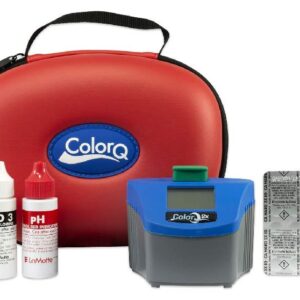
I use the Lamotte ColorQ Pro 11 digital pool water test kit. I like this equipment since it is accurate, easy to use, and measures other pool chemicals and properties such as pH, bromine, cyanuric acid, and calcium hardness.
Important: Improper maintenance of pool chemistry—especially pH and cyanuric acid levels—changes the efficacy of chlorine, so make sure you use accurate equipment and frequently check your pool water’s chemistry.
If you find that the free chlorine level is lower than three ppm, it is time to shock your pool.
3. After Heavy Rains
Although this isn’t always necessary, to be on the safe side, it is advisable to shock after heavy rain that can alter your pool’s pH and add contaminants.
- Before shocking, cleaning, or adding any chemicals after heavy rains, make sure the water level is reduced to the normal volume.
- Leaves and other debris will likely be washed or blown into your pool. Clean them out with a large pool net before treatment.
- The pool’s pH will be the measure that will likely change the most. However, when the rain is acidic and alkalinity levels are within the required range, all you may need to do is adjust the alkalinity level.
- Most important: Total alkalinity (TA) is very damaging when it is out of balance. Frequently check the TA level so that it does not exceed the recommended range of 80 ppm to 120 ppm. Here is how to lower total alkalinity. To raise your pool’s alkalinity, you can use baking soda (sodium bicarbonate).
4. During Extended Periods of Hot Weather
When the weather is hot, the water levels will rise above the optimal temperature range of 78ºF–82ºF, making it easier for bacteria and algae to thrive. Additionally, UV rays from bright sunlight will decrease the amount of free chlorine in your pool.
Make it a routine to shock your pool more often in the summer, when the weather is hot. Use cyanuric acid to stabilize the free chlorine and prevent UV rays from consuming the chlorine at a higher rate.
5. When the Pool Is Used Heavily or Frequently
Chlorine levels reduce more quickly when many swimmers use a pool on a consistent basis. You should measure levels of free chlorine and chloramine after heavy swimming, especially in commercial or public pools, and shock the pool as required.
To find out what amount of free chlorine or any other chemical to add to a pool, I use this pool calculator (by Trouble Free Pool) to help me find the correct amount of chlorine to add. All you have to do is enter your chemical and pH readings.
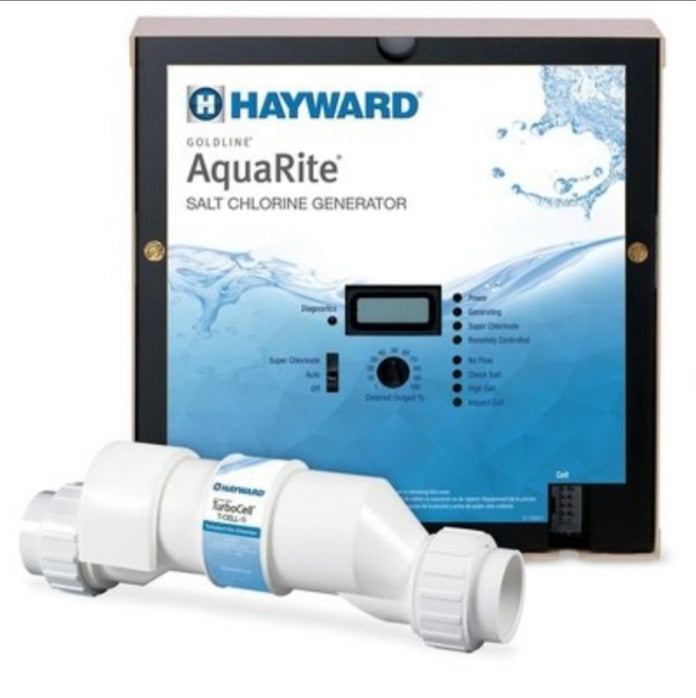
Controlling the chlorine levels in saltwater pools is easier. All you need to do is raise the saltwater chlorine generator (SWCG) to boost free chlorine prior to and after heavy usage.
Should I Add Chlorine to a Saltwater Pool?
Before I changed my non-saltwater (chlorine-based) pool to saltwater two years ago, I used to shock regularly.
Basically, a chlorine-based pool needs more maintenance than a saltwater pool. Unless there is an algae outbreak or a build-up of contaminants such as oil and soil, a saltwater pool does not need much treatment. This is because saltwater pools use chlorine generators to produce a chlorine compound similar to chlorine in shock treatments.
Chlorine generators can be adjusted to increase the amount of chlorine in the pool, for instance, before heavy usage. However, this technically isn’t shocking. It is just a way to maintain chlorine at the recommended level.
Comments
Barack James (author) from Green City in the Sun on June 25, 2020:
If it goes green after shocking it, it’s possible you have Copper metal in your pool or fillwater causing green stain when chlorine is added. Copper stains are common if you use well water or copper based Algaecide in your pool. Before you add chlorine, add Metal Magic by ProTeam to remove copper metals through your pool filter.
Buzymom on June 25, 2020:
I have an above ground pool that is 18 ft diameter by 48” deep. Water is brownish/ green. I added 1 gallon of super chlorine last night but pool is still very green after shocking 12 hours ago and running filter all night. Since shocking, my free chlorine is now testing between 1-3, ph level high so not sure if I should add another gallon of chlorine? Why is it still so green after shocking and what can I do to fix it?
Barack James (author) from Green City in the Sun on July 24, 2019:
You got it wrong James. Sodium hypo is basically liquid chlorine coming with 12.5% chlorine concentration. Calcium hypo has over 60% chlorine and that is why it’s best weekly shock or killing algae. Since Sodium Hypo has low chlorine percentage, it’s best for daily chlorinating as compared to cal hypo. Also, cal hypo increases Calcium and pH levels in water and if you use it daily, your pH, CH, and FC level will be very high in the end.
James on July 24, 2019:
Hello. I have done much reading on this subject and yours is the only article I have read so far that indicates that calcium hypo is for algae only and not to be used as regular chlorine maintenance. I use HTH super shock which is granular (calcium hypo) and package indicates it treats algae and bacteria. Their sanitizer also treats algae and bacteria which would indicate a sodium hypo. The super shock, calcium hypo, packaging saus it can also be used for weekly maintenance in smaller dosages whereas you indicated sodium hypo can only be used for weekly.?? Pls explain. Thanks
Barack James (author) from Green City in the Sun on September 04, 2018:
Yes, leave the pump and filter running while shocking the pool.
Bridgett on September 03, 2018:
Hello! We have a 10,000 gallon pool and we’re told to shock it weekly. We have liquid shock to add to the pool. So the question that I have for you is… do we keep the pool pump running once the shock is put into the pool and do we leave the filter in or remove it while shocking?
Thanks!
Barack James (author) from Green City in the Sun on July 09, 2018:
If the water is not cloudy, you will need around 0.00013 ounces of chlorine to raise your free chlorine by 1ppm. So the best thing to do is to take reading for free chlorine and then adjust the reading.
Barack James (author) from Green City in the Sun on June 08, 2018:
The most common cause of foam in a pool is low level calcium, which softens pool water making it prone to forming. Using low grade Algaecide like polymer may also be a cause. Green water is caused by algae and you need to get rid of the algae as soon as possible using plenty of liquid chlorine. Ensure that all chemicals especially pH is well balanced before adding chlorine. Here is a complete guide on how to get rid of any type of algae: https://discover.hubpages.com/living/clearing-up-a…
And how to get rid of foam in your pool: https://discover.hubpages.com/living/How-to-Clear-…
Shirley Brown on June 08, 2018:
Have white foam on top of water after shocking severely. Bad green pool. Told by pool store to use 25 lbs. 12 and half lbs 24 hrs apart. The last application caused white foam. I can’t get rid if it. What do I do? Shock is the only chemical in water. Just opening pool.
Barack James (author) from Green City in the Sun on September 02, 2017:
Hi Robert, a swimming pool needs shocking regular all seasons including fall. Before shocking a pool during the fall, you have to do some cleaning using a net and vacuuming equipment to remove dirt. A 20 x 40 pool will not require much chlorine shock. However, the best thing to do is to take the reading of free chlorine level in your water on a regular basis and ensure it is always between 2.5 ppm and 3 ppm, which means your combined chlorine (chloramine) should not exceed 0.5 ppm at any time. Generally, 0.00013 ounce of chlorine per gallon will raise chlorine level by 1 ppm. You can refer the following link for more about how much chemicals you need to add to your pool : https://www.troublefreepool.com/content/114-poolma…
Robert Brown on September 02, 2017:
Have you heard of shocking your pool in the fall? If so how much liquid for a 20 x 40 vinyl in ground pool.
Barack James (author) from Green City in the Sun on August 06, 2017:
Welcome Ashly, I wish you good luck…
Ashly on August 06, 2017:
Thank you so much for the response! It was very helpful. We bought shock and algae guard. We bought the brand hth super. Wish us luck!
Barack James (author) from Green City in the Sun on August 05, 2017:
Hi Ashly, the green stuff is algae. Do more scrubbing of the walls and then use algaecide or shock the pool with enough chlorine to kill the algae. You can then vacuum the pool or use a net to remove the scrubbed aglae. Here is more on how to get rid of algae: https://discover.hubpages.com/living/clearing-up-a…
Ashly on August 05, 2017:
Hi, great article. Our pool is 1 year old and we have had a Huge heat wave this summer. 3 weeks over 100.
We have green growing on the walls only. I scrub the walls every day now. We don’t have green water. I do the chemicals so far. They read perfect. I shocked the pool last week but, the green keeps coming back. Any suggestions for the green walls? Thank you!!
Barack James (author) from Green City in the Sun on July 28, 2017:
Hello FlorencePonk, sorry for the late response. You can use Muriatic acid to lower both pH and Alkalinity in your pool. You need to be careful while adding Muriatic acid so that your Alkalinity is kept between 80 and 120 ppm for your vinyl liner pool. However, in the process, your pH may go down below the recommended level of 7.2: In that case, you will need to aerate your pool to raise the level of pH back to the normal range between 7.2 and 7.8 depending on where you keep your pH. Here is more detailed information on how to balance pH and Alkalinity: https://discover.hubpages.com/living/Lowering-Tota…
FlorencePonk on July 28, 2017:
Hi, I’m really new to taking care of a swimming pool and this year I only have one of those “Summer Waves” 10ft by 30″ vinyl pools with the inflatable ring around the top.
I’ve just been using some 3 in 1 poo, and spa test trips, which in most cases have been showing me that everything is okay, however now the Ph level and alkalinity are just very, very slightly high and I can’t find any information on how to just tweak those levels just a tiny bit in such a small pool to bring it back down to normal.
Barack James (author) from Green City in the Sun on July 08, 2017:
Hi Amanda, sorry for the trouble. Green pool means you have green algae; I hope you got the link to a complete guide on how to get rid of algae in this article. Wish you good luck!
Amanda Lopez on July 08, 2017:
Thanks for all this good information; this is a very small pool but is sad to find it green when my grand kid want to ge in it Im a single mom and never own a pool.
Barack James (author) from Green City in the Sun on June 03, 2017:
Hi Gerri, this article was published purposely for individuals who are green in shocking a swimming pool. The article is also divided into different sections and there is a clear guide on how to shock your pool at the bottom section. It also includes a detailed video at the end showing you how to shock your pool if you need a quick guide.
 English
  Chinese